Concrete Construction 101: Strength, Durability, and Lifespan Explained
Concrete construction plays a major role in how homes and commercial buildings perform over time. From foundations and driveways to sidewalks and structural slabs, concrete construction determines how well a structure handles weight, weather, and daily use. When done correctly, concrete construction supports long lasting construction and helps extend the usable life of a property.
This guide explains the fundamentals of concrete construction, including what impacts concrete strength and durability, how reinforced concrete works, and what influences concrete lifespan. Whether you own a home, manage a commercial site, or plan new construction, understanding these basics helps you make informed decisions that protect your investment.
What Is Concrete Construction?
Concrete construction refers to building structural and functional elements using a mix of cement, water, and aggregates such as sand and gravel. Once poured and cured, the material becomes a solid surface capable of carrying heavy loads and resisting environmental stress.
Concrete construction is used in residential construction and commercial construction for:
- Foundations and stem walls
- Driveways and city drive pads
- Patios and walkways
- Sidewalks and curbs
- Structural slabs and footings
One of the biggest concrete building advantages is its ability to be shaped before curing while maintaining strength after it hardens.
How Concrete Strength and Durability Are Achieved
Concrete strength and durability depend on material quality, proper ratios, and correct installation methods.
Mix Design and Material Quality
Concrete gains strength through hydration, a chemical reaction between cement and water. If the mix contains too much water, strength decreases. If the mix is too dry, bonding suffers.
A balanced mix supports:
- Higher compressive strength
- Reduced cracking
- Improved reinforced concrete durability
Material selection plays a direct role in long term performance.
Proper Curing Conditions
Concrete does not reach full strength immediately. Curing allows hydration to continue over time. Most concrete reaches its design strength within 28 days, assuming moisture and temperature are controlled.
Poor curing weakens concrete strength and durability, even when high quality materials are used.
Reinforced Concrete and Why It Matters
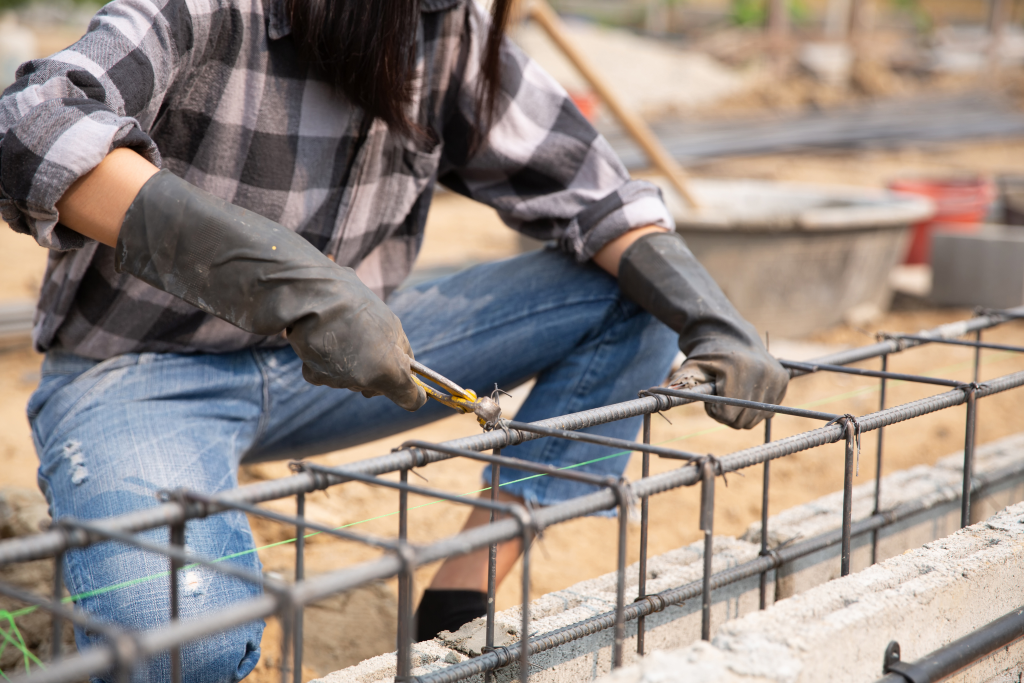
Concrete handles compression well but performs poorly under tension. Reinforced concrete solves this issue by embedding steel rebar or wire mesh within the concrete.
Steel absorbs tensile forces while concrete handles compression. Together, they create a stable structural system.
Reinforced Concrete Durability Benefits
- Increased load resistance
- Controlled cracking
- Longer concrete lifespan
- Improved performance under stress
Reinforcement is critical for foundations, slabs, retaining walls, and commercial concrete applications.
Key Factors That Affect Concrete Lifespan
Concrete lifespan varies based on several controllable factors.
Soil Preparation
Concrete rests on soil. If the soil is poorly compacted, concrete can settle and crack. Proper base preparation is essential for driveways, patios, and foundations.
Climate Conditions
In Albuquerque, NM, concrete must withstand heat, sun exposure, and seasonal moisture changes. Local conditions influence mix design and finishing methods to support long lasting construction.
Installation Practices
Incorrect placement, rushed finishing, or skipped curing steps shorten concrete lifespan. Careful planning and execution reduce long term repair needs.
Concrete Lifespan Expectations
When installed correctly, concrete offers exceptional longevity.
- Residential driveways often last 30 to 40 years
- Foundations commonly last 50 years or more
- Commercial concrete structures can exceed 75 years
These outcomes highlight why concrete construction remains a trusted solution for residential and commercial projects.
Concrete Building Advantages for Residential Properties
Concrete supports safety, durability, and function in residential construction.
Structural Reliability
Concrete foundations resist shifting and settlement, which helps preserve structural alignment over time.
Reduced Maintenance
Concrete does not rot or attract pests. Basic upkeep helps preserve concrete strength and durability.
Design Options
Concrete patios, walkways, and slabs can include texture and color options. Homeowners often explore residential concrete services for driveway concrete installation and concrete patio installation that balance durability with appearance.
Concrete Building Advantages for Commercial Properties
Commercial construction requires materials that meet safety standards and handle high use.
Load Capacity
Concrete supports heavy equipment, vehicle traffic, and structural loads consistently.
Fire Resistance
Concrete does not burn, making it a reliable choice for safety focused building designs.
Cost Control Over Time
Long lasting construction reduces replacement cycles and repair frequency, especially for sidewalks, slabs, and foundations.
Many property owners rely on commercial concrete services for code compliant installations.
Common Concrete Construction Applications
Concrete construction supports a wide range of project types.
Foundations and Structural Slabs
Foundations transfer building loads into the ground. Reinforcement and soil preparation are essential.
Driveways and Access Areas
Driveways experience repeated loading. Correct thickness and reinforcement reduce cracking.
Patios and Outdoor Spaces
Concrete patios provide durable outdoor living areas with minimal upkeep.
Sidewalks and Curbs
Sidewalks must meet safety and accessibility requirements, especially in commercial environments.
Comparing Concrete to Other Materials
Concrete building advantages become clearer when compared to alternatives.
Concrete vs Wood
Concrete lasts longer and resists fire, moisture, and pests better than wood.
Concrete vs Asphalt
Asphalt softens in heat and needs frequent resurfacing. Concrete maintains its shape and strength longer.
Concrete and Masonry Together
Masonry provides structure and appearance, while concrete supports foundations and slabs. Many projects combine both, which is why masonry contractors often work alongside concrete contractors.
Planning and Design in Concrete Construction
Design choices affect performance and lifespan.
- Proper thickness reduces cracking
- Joint placement controls expansion
- Drainage planning limits water damage
Concrete construction performs best when planning considers soil conditions, load needs, and future use. This is especially important for home additions and new development construction.
Sustainability and Long Lasting Construction
Concrete supports long lasting construction through durability and reduced replacement needs. Its thermal mass helps regulate indoor temperatures, and locally sourced materials lower transportation demands.
Concrete also works well with stucco systems and exterior insulation solutions used in Southwest construction.
Maintenance Tips to Support Concrete Lifespan
Basic care helps maintain performance.
- Seal surfaces when appropriate
- Keep joints free of debris
- Repair small cracks early
- Maintain proper drainage
These steps help preserve concrete strength and durability for decades.
How Mountain Side Contractors, LLC Can Help
We provide concrete construction solutions for homeowners and commercial clients across Albuquerque, NM. Our family has worked in this industry for decades, and we focus on detailed craftsmanship, communication, and safety driven results. We are licensed, bonded, and insured, and our work aligns with local codes and long term performance standards. From residential concrete services to commercial concrete services, we deliver reliable results backed by experience. Call (505) 227-1782 today and receive $200 off any masonry or concrete services.